
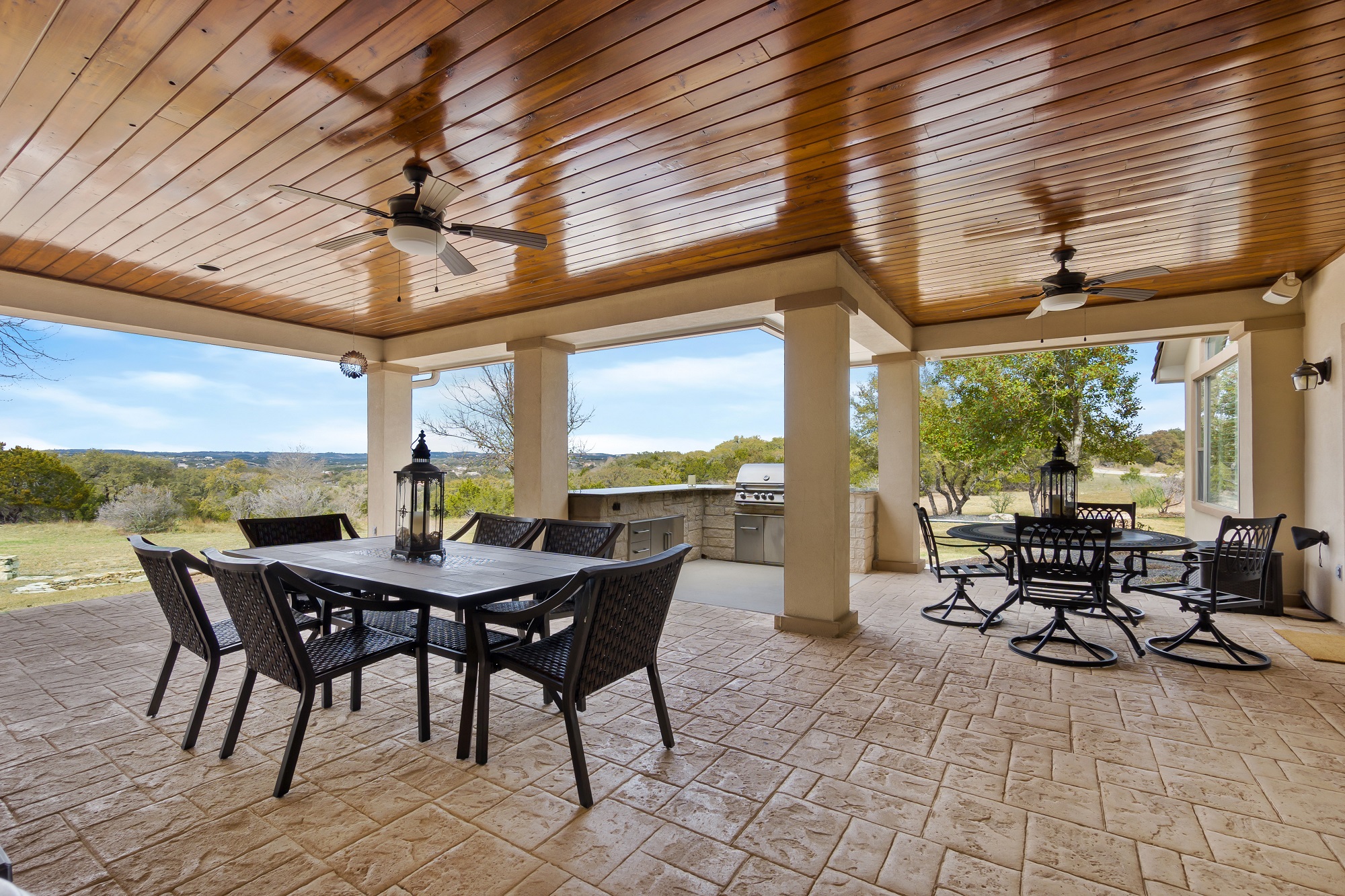
What Keeps a Patio Cover Standing When Strong Winds Push and Pull?
A patio cover may look simple from the ground, but its ability to remain secure during severe weather depends on how all structural components work together. For homeowners considering patio covers in Vancouver WA, wind uplift, connection strength, roof shape, post placement, and foundation support all deserve careful attention.
Artisan Fence Decks & Patio Covers designs and installs outdoor structures tailored to local conditions, and homeowners can explore its patio cover installation services before planning a project. A properly designed patio cover transfers wind forces from the roof through beams, posts, connectors, and foundations rather than allowing them to concentrate at a single weak point.
Wind can create upward pressure on the roof and produce horizontal forces, so secure connections, suitable framing, proper anchoring, and code-compliant construction work together to maintain stability.
How Wind Uplift Travels Through a Patio Cover
Wind doesn’t simply push against the outside of a patio cover. As air moves over and around the roof, it can create pressure differences that generate uplift. The roof covering transfers forces to rafters or other roof framing; those members transfer forces to beams and posts; and the posts ultimately transfer the loads to the supporting foundation.
This connected route is known as a load transfer path. Why does that matter? A strong roof member won’t compensate for a weak post connection, just as a substantial post won’t help if the footing cannot resist the forces reaching it. FEMA’s guidance on attached structures explains that structures such as porches and carports can become vulnerable during high winds when their connections lack sufficient capacity, emphasizing the importance of strengthening the path that transfers wind loads to the foundation.
For Vancouver, WA, this matters because patio covers must also contend with the broader Pacific Northwest outdoor environment. Rain, seasonal moisture, wind exposure, drainage, and long-term material performance all influence how a structure should be planned.
How Professionals Build a More Reliable Wind-Resistant Structure
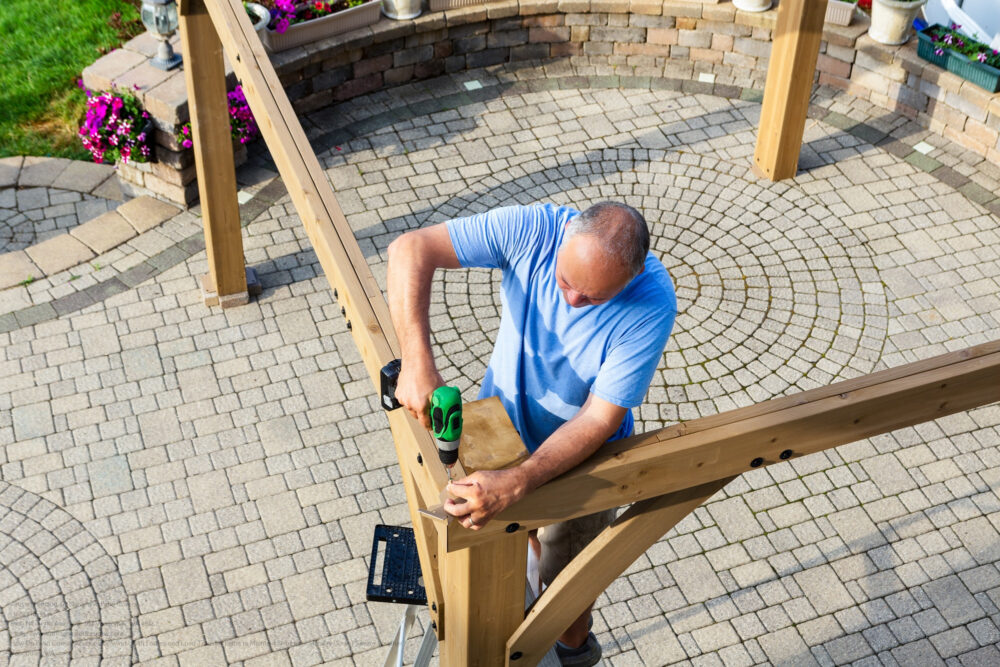
A thoughtful patio-cover project begins before materials arrive. The property needs to be evaluated for attachment points, roof geometry, drainage, existing structures, foundation conditions, and the way the proposed cover will interact with the home’s exterior. What happens if the cover sits beside a custom deck? What if the property has an HOA with specific appearance requirements? These questions can affect the final design.
The planning process can be viewed as a connected sequence. First, the contractor identifies the expected environmental conditions and structural requirements. Next, the roof, beams, posts, connectors, and supporting foundation are considered as one load-transfer system. Finally, the design is checked against applicable construction standards, permits, and installation requirements.
The American Wood Council‘s current wind-design resources explain that wind design involves both structural systems and connections, while its published standards address roof and wall systems and connection requirements. This reinforces an important point: wind resistance isn’t achieved by a single oversized component. It comes from a continuous, well-detailed structural path.
Material selection also affects the finished experience. Homeowners may choose custom patio covers, custom wood-framed patio covers, classic aluminum covers, UV-blocking acrylite covers, corrugated vinyl covers, or an insulated foam roof, depending on their priorities. The goal isn’t simply to choose the strongest-looking option. The material system needs to suit the home’s architecture, exposure, drainage strategy, maintenance expectations, and intended outdoor use.
Need Custom Patio Covers?
Contact Artisan Fence Decks & Patio Covers today for a free consultation and dependable outdoor construction.
What Vancouver Homeowners Should Know Before a Severe Weather Event
A patio cover should be designed for more than an attractive summer afternoon. In Vancouver, homeowners want outdoor spaces that remain useful through changing weather, whether they’re sitting outside with coffee, entertaining friends, or planning to fire up the grill when the forecast isn’t perfect.
This is where details such as roof slope, overhangs, connection points, post locations, and drainage systems become important. A well-planned cover can provide shade and UV protection while helping create year-round comfort. Natural light can also be preserved through appropriate roof materials, allowing homeowners to enjoy an outdoor living space without turning the covered area into a dark enclosure.
Homeowners near Salmon Creek, the Vancouver Waterfront Park area, and other parts of Clark County may have different property layouts and exposure conditions. A custom job should respond to the site rather than forcing the property into a predetermined design. Artisan Fence Decks & Patio Covers takes a design-consultation approach that considers the home’s architecture, outdoor spaces, material preferences, and intended use. Its local patio-cover service specifically notes the importance of moisture management, wind exposure, and local construction standards.
The Details That Make Patio Covers More Dependable
The most reliable patio-cover projects bring several considerations together instead of treating them as separate decisions. Wind uplift must be considered alongside connection strength. Roof geometry must work with framing. Posts must transfer forces appropriately to their supports. Drainage must protect materials from persistent moisture. Permitting and local construction standards must also be addressed before work begins.
For homeowners comparing patio covers in Vancouver WA, this broader approach can make the difference between a structure that merely looks attractive and one designed for dependable long-term performance. Custom patio covers can be tailored to the property, while options such as custom wood-framed patio covers or aluminum systems can provide different aesthetic and maintenance advantages.
Artisan Fence Decks & Patio Covers also offers related outdoor services, including custom decks, deck installation, and pergola construction, which can be useful for homeowners seeking a coordinated outdoor living space. Its service pages emphasize communication, punctual scheduling, attention to detail, and customer service throughout the project.
Why Artisan Fence Decks & Patio Covers is the Smart Choice for Vancouver Homeowners
We at Artisan Fence Decks & Patio Covers provide our customers with the best solutions by combining thoughtful design, careful installation, and local knowledge of Vancouver’s outdoor environment. We understand that a patio cover has to do more than provide shade; it needs to work with the home’s structure, withstand changing weather, and support how homeowners actually use their outdoor space.
Our team showcases excellent service through custom patio cover designs, practical material options, and attentive customer care from the initial consultation through installation. We focus on creating outdoor spaces that provide comfort, protection, and lasting value while respecting applicable construction standards and property requirements.
Contact Artisan Fence Decks & Patio Covers for professional patio cover installation in Vancouver, WA, and discuss the right design for your property. With thoughtful load transfer, appropriate connections, and weather-conscious construction, patio covers in Vancouver WA can provide a safer, more comfortable, and more dependable outdoor living space.
Need Custom Patio Covers?
Contact Artisan Fence Decks & Patio Covers today for a free consultation and dependable outdoor construction.