
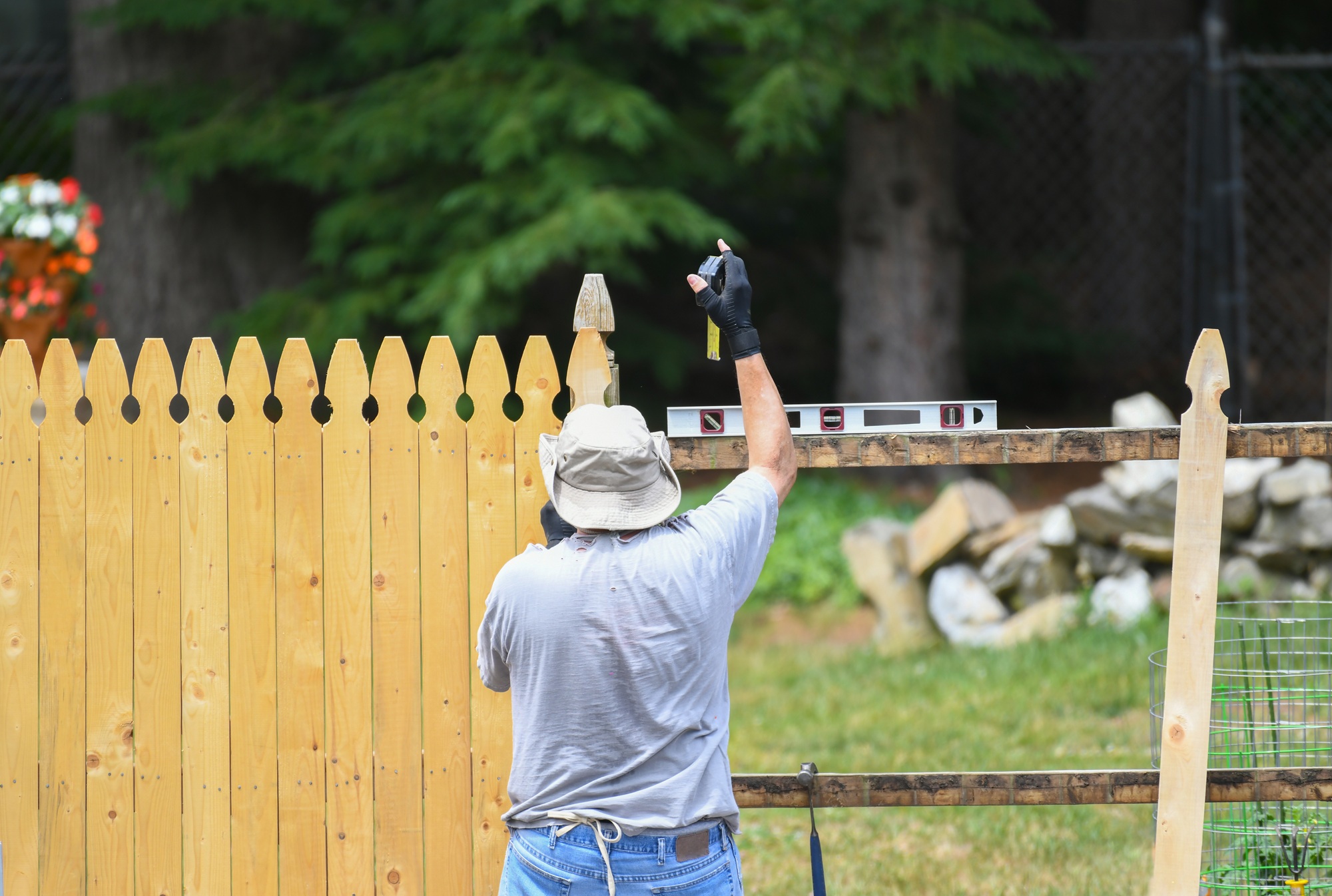
Strong Fences Start Below the Surface—Here’s Why the Ground Matters More Than You Think
A fence may look simple from above ground, but its long-term performance depends on what happens below the surface. In the Pacific Northwest, seasonal rainfall, changing moisture levels, and varying soil conditions can all affect how well a fence holds its position over time.
That’s why homeowners looking for fence installation in Vancouver WA should choose professionals who understand how soil movement impacts structural stability from day one. Artisan Fence Decks & Patio Covers delivers durable fence solutions by carefully evaluating each property’s ground conditions before construction begins.
Professional fence installation minimizes movement caused by seasonal soil expansion by analyzing soil composition, moisture levels, drainage, frost depth, and post embedment techniques. Proper planning, pressure-treated posts, concrete footings, and material selection help create fences that remain secure, level, and durable for many years despite changing ground conditions.
Why Soil Movement is One of the Biggest Challenges in Fence Installation in Vancouver WA
Many homeowners assume a fence only needs quality materials to last. In reality, the ground supporting the structure plays an equally important role. Throughout Vancouver WA and the surrounding Pacific Northwest, soil expands when saturated with water and contracts as it dries. These natural cycles slowly place stress on fence posts, eventually causing leaning panels, uneven gates, or shifting property boundaries.
A professional installation begins long before the first hole is dug. Fence contractors evaluate drainage, grading, soil density, and moisture retention to determine the best installation process for each location. This careful preparation helps reduce future movement while extending the life of the investment.
People Also Ask: Why Do Fence Posts Lean After a Few Years?
Fence posts typically lean because moisture changes weaken the surrounding soil or because the original installation didn’t account for seasonal expansion. Proper concrete footings, deeper embedment, pressure-treated posts, and professional grading greatly reduce this risk.
For homeowners across Downtown Vancouver and SW Washington, understanding these regional conditions is essential before selecting any fencing contractor.
5 Common Installation Mistakes that Lead to Fence Movement
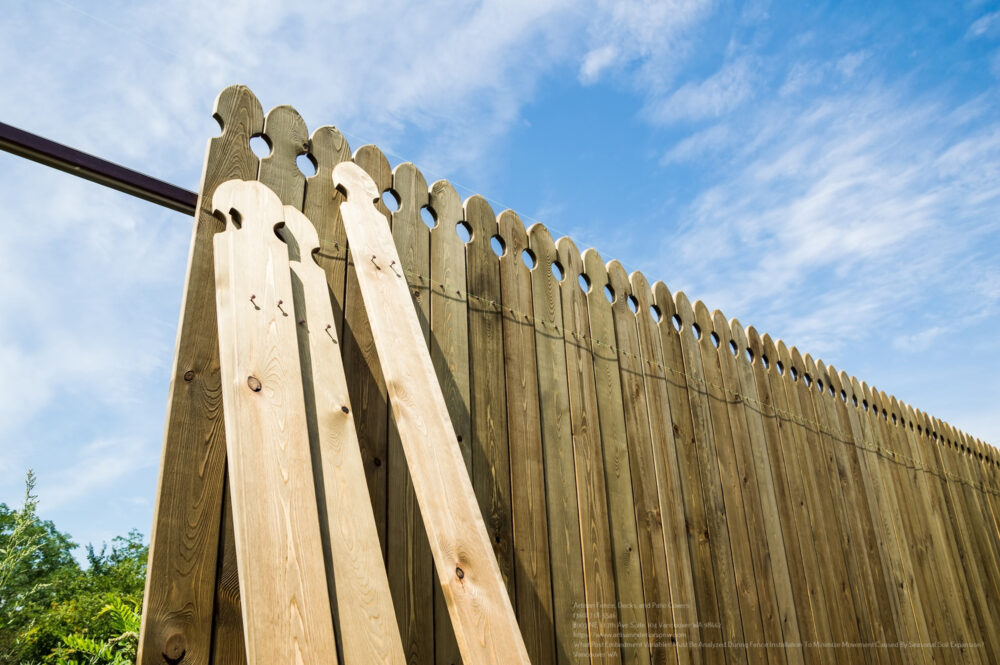
Many fence problems originate during installation rather than years later. Cutting corners often creates expensive repairs that could have been avoided with proper planning.
- One common mistake is selecting the wrong post depth. Shallow posts may save installation time initially, but they provide less resistance against shifting soil. Fence professionals determine embedment depth based on fence height, soil conditions, and expected loads.
- Another frequent issue is poor drainage planning. Water pooling around fence posts softens surrounding soil and accelerates movement. Professionals evaluate grading before beginning installation to encourage proper water runoff.
- Using incorrect materials also contributes to instability. Low-quality wood or untreated posts deteriorate faster in damp environments. Pressure-treatedPressure-treated wood, galvanized steel, and durable concrete footings offer significantly greater resistance to moisture.
- Many DIY installations also overlook property line verification. Improper placement can create disputes with neighbors or require expensive relocation after installation.
- Finally, some homeowners underestimate local building requirements. Clark County regulations may include setback, height, or permitting requirements depending on the project. Following guidance from trusted organizations such as the American Wood Council helps promote safe structural practices and ensure installations comply with recognized construction standards.
Artisan Fence Decks & Patio Covers helps homeowners avoid these costly mistakes by carefully evaluating every installation site before work begins.
Need Professional Fence Installation for Your Property?
Contact Artisan Fence Decks & Patio Covers today to schedule your free consultation and project estimate.
How Proper Engineering Protects Your Investment for Years
Every fence experiences constant pressure from wind, changing temperatures, and shifting ground. The difference between a fence lasting ten years versus twenty often comes down to engineering rather than appearance.
Properly installed pressure-treated posts distribute structural loads more evenly along the fence line. Concrete footings anchor posts securely while reducing movement caused by expanding soil. Depending on project requirements, steel posts hidden inside wood fencing may provide additional reinforcement without affecting curb appeal.
Homeowners choosing a wood, vinyl, or chain-link fence all benefit from installation methods tailored to local conditions. Even decorative features like custom gate work, ornamental steel fencing, or ornamental aluminum fences require careful engineering to remain aligned over time.
Artisan Fence Decks & Patio Covers understands that every property presents unique challenges. Rather than applying identical methods to every project, the company evaluates drainage patterns, slopes, and soil characteristics before recommending fence solutions that fit each property.
Proper planning also improves long-term value. Instead of facing recurring fence repair costs due to leaning posts or unstable panels, homeowners enjoy consistent performance with less maintenance.
6 Professional Techniques that Reduce Soil Movement Problems
Successful installations rely on proven building techniques rather than guesswork. Professional fence contractors typically evaluate several critical factors before beginning work.
- Analyze Soil Composition: to determine how much seasonal expansion and contraction should be expected.
- Measure Proper Post Depth based on local frost considerations, fence height, and expected structural loads.
- Install Reinforced Concrete Footings that securely stabilize posts and distribute pressure more evenly.
- Select Appropriate Materials, including pressure-treated wood, cedar fence boards, galvanized steel, or powder-coated galvanized chain-link fence components, depending on environmental conditions.
- Improve Site Drainage: Adjust grading as necessary to minimize water accumulation around post locations.
- Verify Property Lines and Fence Layout before construction begins to avoid future disputes and ensure compliance with fencing requirements and local regulations.
These professional practices help minimize movement while supporting privacy wood fences, chain link fences, ornamental fencing, and many other fencing styles throughout Vancouver WA.
Key Takeaways Every Homeowner Should Remember Before Building
Long-term fence performance depends on far more than appearance. A successful project starts with evaluating soil conditions, drainage, post-embedment depth, and material selection before construction begins. Choosing pressure-treated posts, quality concrete footings, durable cedar fences, galvanized steel components, or other appropriate materials helps reduce seasonal movement while extending the life of the structure.
Homeowners should also remember that proper planning minimizes future maintenance, protects property lines, and supports overall property value. Whether the goal is installing a wood fence, vinyl fencing, ornamental aluminum fencing, field fences, post-and-rail fences, or custom gate work, working with experienced professionals leads to more dependable results.
For anyone planning to install a fence in Vancouver WA, understanding how soil movement affects stability is one of the most important factors in building a fence that performs reliably for years to come.
Why Choosing Artisan Fence Decks & Patio Covers is the Smart Decision for Lasting Results
We at Artisan Fence Decks & Patio Covers provide our customers with the best solutions by combining expert craftsmanship with careful planning and proven installation methods. We understand that every property is different, which is why we evaluate soil conditions, drainage, property lines, and structural requirements before beginning every project. Our goal is to build fences that remain attractive, secure, and stable through changing seasons.
We proudly deliver professional fence installation services using high-quality materials, reliable construction techniques, and meticulous attention to detail from planning through completion. Whether you’re looking for a custom build, privacy fencing, wood fencing, chain-link solutions, or decorative fence designs, our experienced team is committed to delivering outstanding customer satisfaction and dependable workmanship.
Our dedication to quality, honest communication, and long-lasting fence solutions helps homeowners throughout Vancouver Washington make confident investment decisions. Contact Artisan Fence Decks & Patio Covers today for expert fence installation services designed for lasting performance and peace of mind. Your property deserves professional craftsmanship, and that’s exactly what we deliver with fence installation in Vancouver WA.
Need Professional Fence Installation for Your Property?
Contact Artisan Fence Decks & Patio Covers today to schedule your free consultation and project estimate.