
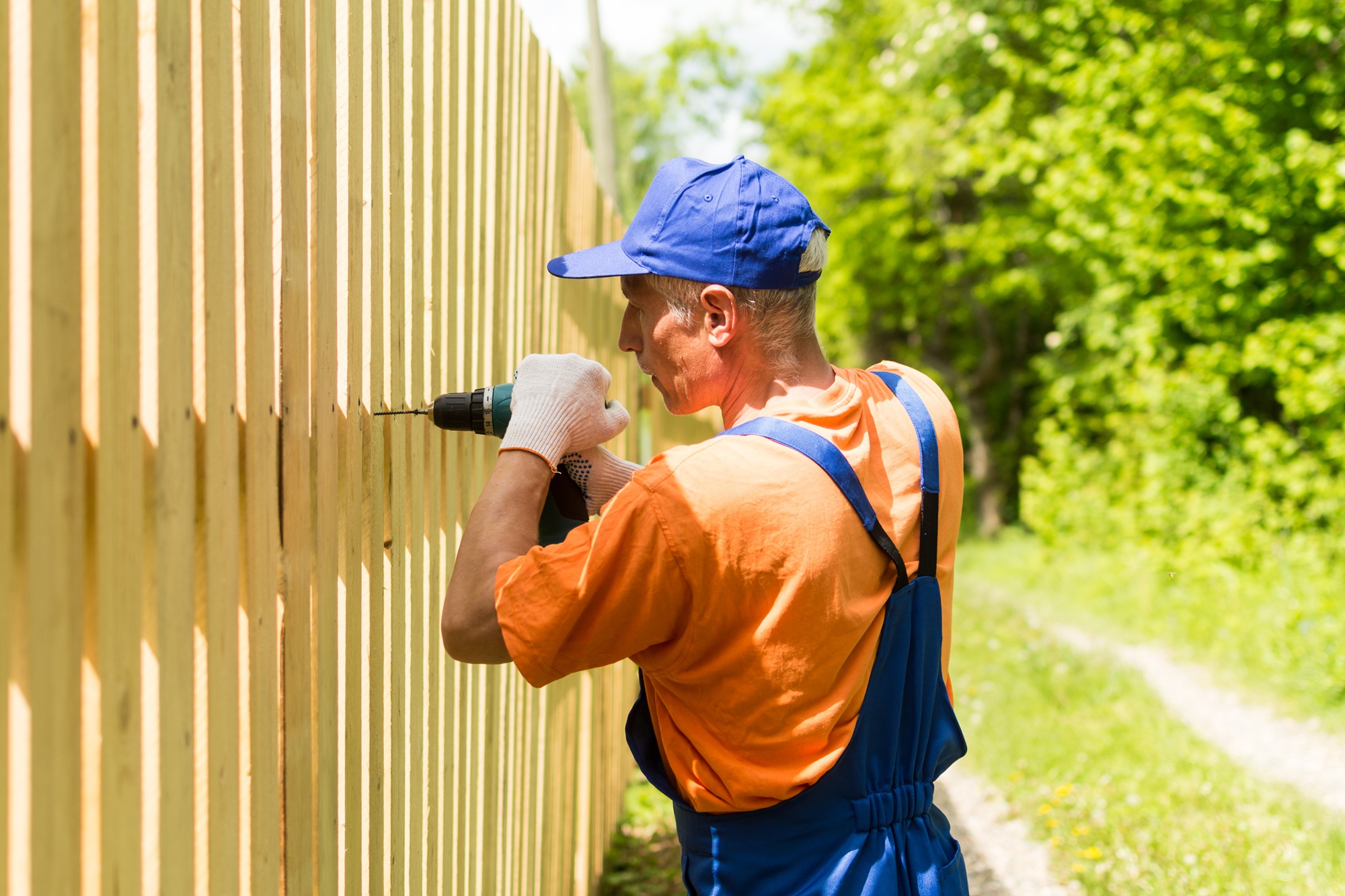
Why Strong Fences Begin with What’s Happening Underground
A fence may look simple from the outside, but what keeps it standing straight for years isn’t the panels or rails—it’s the engineering below the surface. Soil movement, moisture expansion, and seasonal ground shifts all affect structural stability. That’s why professional fence installation in Vancouver WA, require careful planning long before the first post is placed.
Homeowners who explore professional fence installation services often discover that experienced contractors evaluate soil conditions, drainage, and structural stress before construction begins. To understand how professionals approach this process, homeowners can review the fence installation service page, where proper planning and craftsmanship come together.
Professional fence installation accounts for soil shift and ground movement by evaluating soil composition, installing deep pressure-treated posts, and using reinforced concrete footings. These techniques stabilize the structure, prevent leaning, and ensure fences maintain long-term durability despite moisture and seasonal ground movement.
Why Soil Conditions Matter More Than Most Vancouver Homeowners Realize
In Vancouver Washington, soil conditions vary widely depending on the neighborhood and elevation. Areas across Clark County often contain clay-heavy soil that expands when wet and contracts when dry. This repeated movement puts pressure on fence posts and foundations.
Many Vancouver homeowners ask a similar question: Why did my old fence start leaning after just a few years? In many cases, the issue isn’t the fence material itself—it’s the soil beneath it.
Without proper planning, shifting soil can push posts out of alignment, loosen concrete footings, or cause a wood fence to lean. Professional fence contractors evaluate several factors before beginning construction:
- Soil density and drainage
- Groundwater exposure
- Expected wind and load stress
- Long-term ground movement patterns
Understanding these factors allows a Fence Company to design fence solutions that remain stable for decades rather than seasons.
This kind of preparation is especially important in the Greater Vancouver Area, where heavy rainfall and damp soil can accelerate structural movement.
5 Costly Fence Installation Mistakes that Cause Structural Failure
Many fences fail early, not because of poor materials, but because of incorrect installation techniques. When ground movement isn’t accounted for, problems arise quickly.
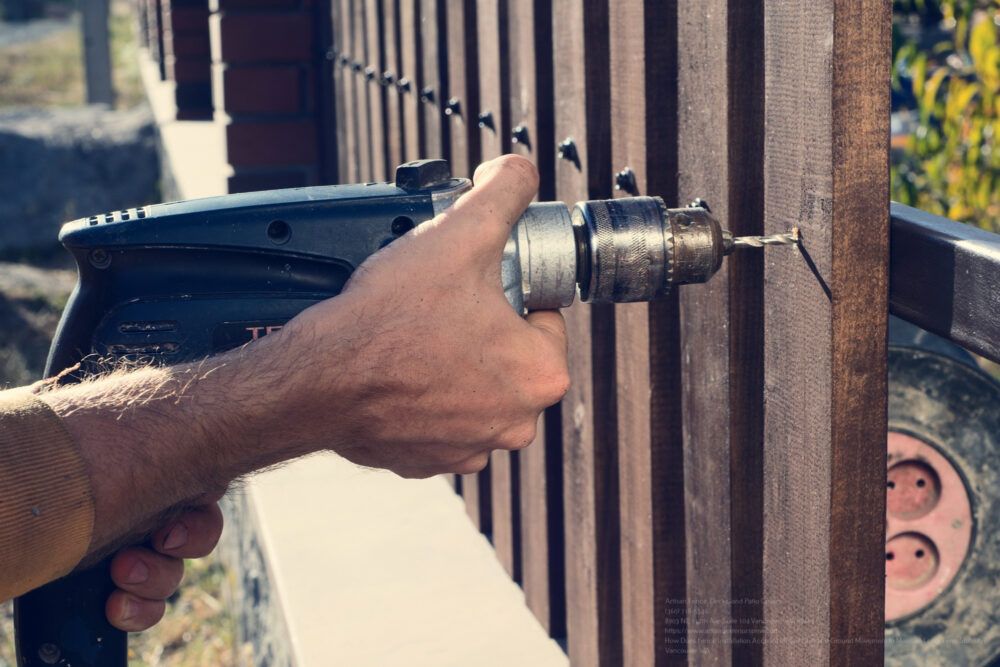
One common mistake is installing posts too shallowly. A DIY homeowner may set a post only one or two feet deep, but shifting soil easily pushes shallow posts out of alignment. Professional installations typically extend posts deeper into the ground to stabilize the structure.
Another issue is using untreated materials. Posts not made with Pressure Treated Wood absorb moisture, weakening over time and allowing fences to tilt.
Drainage mistakes also contribute to instability. Water pooling around posts softens soil and loosens concrete footings, allowing the structure to move.
Material selection errors can also lead to structural issues. Installing a chain link fence without proper tension or anchor points can cause sagging under load stress, especially when truss wire tension is applied incorrectly.
Finally, many homeowners overlook the forces of soil expansion. According to research from the International Code Council, improper post installation and footing design are among the leading causes of fence instability and structural failure.
Professional contractors like Artisan Fence Decks & Patio Covers help clients avoid these mistakes by applying tested installation methods and local knowledge.
Need Fence Installation for Your Property?
Contact Artisan Fence Decks & Patio Covers Today for Expert Guidance and a Free Estimate.
How Fence Installation in Vancouver WA, Projects Prevents Ground Movement Damage
Professional installers treat fence construction as a structural project, not just a property upgrade. That’s why fence installation projects incorporates engineering techniques designed to resist soil movement.
Posts are placed deeper than standard residential minimums, especially in areas where soil expansion is common. Reinforced steel post supports may also be used for high-stress structures such as tall privacy fence installations or commercial fencing.
Concrete foundations are carefully sized to match soil conditions. Wider concrete footings distribute load pressure and prevent the ground from shifting the post base.
Drainage is another critical factor. Proper grading ensures that water flows away from posts rather than collecting around them. This reduces erosion and prevents frost heave during colder months.
When these steps are combined with high-quality materials—such as pressure-treated posts, ornamental steel fencing, or reinforced chain-link fencing—the result is a structure built to withstand ground movement for decades.
Best Practices Professional Fence Contractors Use for Stability
Professional Fence Contractor teams follow a proven process that protects against soil shift and long-term structural issues.
- Evaluate soil conditions and drainage across the property before installation begins.
- Install pressure-treated posts deeper than the minimum code requirements and anchor them with reinforced concrete footings.
- Choose materials suited to the environment, including wood fences, ornamental aluminum fences, colored vinyl chain link, or wrought iron systems with powder-coated metal frames.
These techniques help fences resist wind pressure, soil expansion, and seasonal ground movement.
They also ensure that structures like custom gate work or barbed wire security additions remain aligned without placing excessive stress on fence posts.
Expert Insight: How Material Choice Helps Resist Soil Movement
Different fencing materials respond differently to shifting soil. A wood fence made with cedar fence boards offers flexibility, allowing slight movement without structural damage. This makes it a popular option for residential installations across SW Washington.
Meanwhile, chain link and chain link fences provide durability and visibility while relying heavily on tension systems for stability. When paired with steel posts and properly tensioned, these fences perform well even on uneven soil.
Decorative options such as ornamental aluminum fences or wrought iron structures require stronger foundations because the material is rigid and less forgiving under stress.
Artisan Fence Decks & Patio Covers, a locally-owned business serving the Greater Vancouver Area, often recommends reinforced foundations for heavier materials to maintain long-term alignment.
One recent project in Vancouver involved uneven terrain and moisture-heavy soil. By installing deeper pressure-treated posts and reinforced concrete footings, the team ensured the fence remained straight despite seasonal ground movement.
Key Takeaways for Long-Term Fence Stability
Soil movement is unavoidable in many parts of Vancouver WA, but structural failure doesn’t have to be. Proper fence installation accounts for soil density, drainage patterns, and structural load before construction even begins.
When these factors are addressed early, fences remain stable, secure, and visually appealing for years. Professional installation also supports long-term customer satisfaction, reduces repair costs, and protects outdoor investments.
For homeowners planning a new fence, understanding how soil conditions influence stability is one of the most important aspects of fence installation in Vancouver WA.
Why Choosing Artisan Fence Decks & Patio Covers is the Smart Choice
We at Artisan Fence Decks & Patio Covers provide the best solutions to our customers by focusing on stability, durability, and long-term structural performance. Our team evaluates soil conditions, drainage patterns, and structural load before any fence installation begins.
We showcase our excellent services through custom designs, precision installation, and dependable workmanship that protect your outdoor living space. From privacy wood fences and chain link systems to decorative metal fencing and custom gate solutions, every project is built for strength and reliability.
If you’re planning a new fence, our team is ready to help with a design consultation services, expert guidance and a detailed project estimate. Contact Artisan Fence Decks & Patio Covers today and experience the difference professional craftsmanship makes. Your property deserves lasting quality through expert fence installation in Vancouver WA.
Need Fence Installation for Your Property?
Contact Artisan Fence Decks & Patio Covers Today for Expert Guidance and a Free Estimate.