
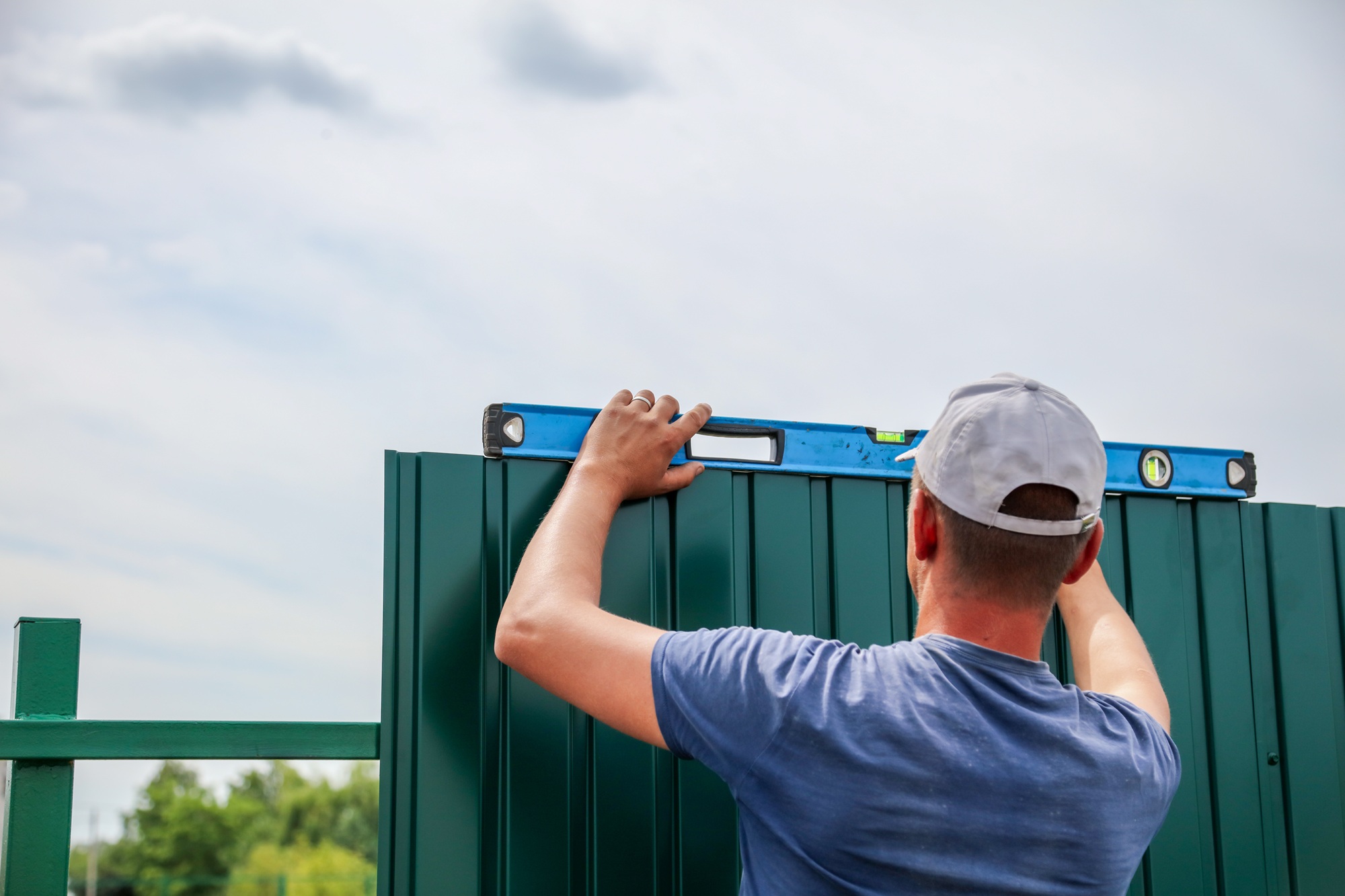
How Strong Fencing Systems Stay Upright When Storms Hit SW Washington
Wind is one of the biggest threats to a fence’s structural integrity. In regions like Vancouver, WA, sudden gusts and seasonal storms can apply enormous lateral pressure to fence panels and posts. That’s why professional fence installation in Vancouver WA, projects focus heavily on reinforcement methods that ensure fences withstand wind loads without leaning, shifting, or collapsing.
Homeowners who explore professional fence installation services often discover that structural planning begins long before installation day. Contractors evaluate wind exposure, soil density, and post depth before construction begins. Those curious about the process can review the service page, where proper planning and craftsmanship come together.
Professional fence installation withstands high wind loads by reinforcing posts with concrete footings, installing galvanized steel posts, optimizing panel spacing, and using structural materials designed to distribute wind pressure safely across the fence system.
Why Wind Load Matters in Vancouver WA Fence Projects
Wind load refers to the pressure that wind exerts on structures such as fences, decks, and buildings. In Vancouver Washington, open yards and storm systems moving through SW Washington can produce strong gusts capable of pushing large fence panels out of alignment.
Many homeowners ask: Why do fences sometimes fall after storms, even when they look sturdy? The answer often lies in how wind interacts with the fence’s surface area.
Solid structures, such as a privacy fence, act like sails during heavy winds. Without proper reinforcement, wind pressure pushes against the fence panels and transfers stress to the posts and footings. If those elements aren’t engineered correctly, the entire structure can lean or fail.
Professional fence contractors evaluate several factors to reduce wind stress:
- Exposure to prevailing wind direction
- Panel height and surface area
- Soil conditions and drainage
- Structural materials and reinforcement methods
In areas throughout Clark County, these considerations are essential to building long-lasting fences.
5 Fence Installation Mistakes that Lead to Wind Damage
Even well-built fences can fail if wind resistance isn’t considered during installation.
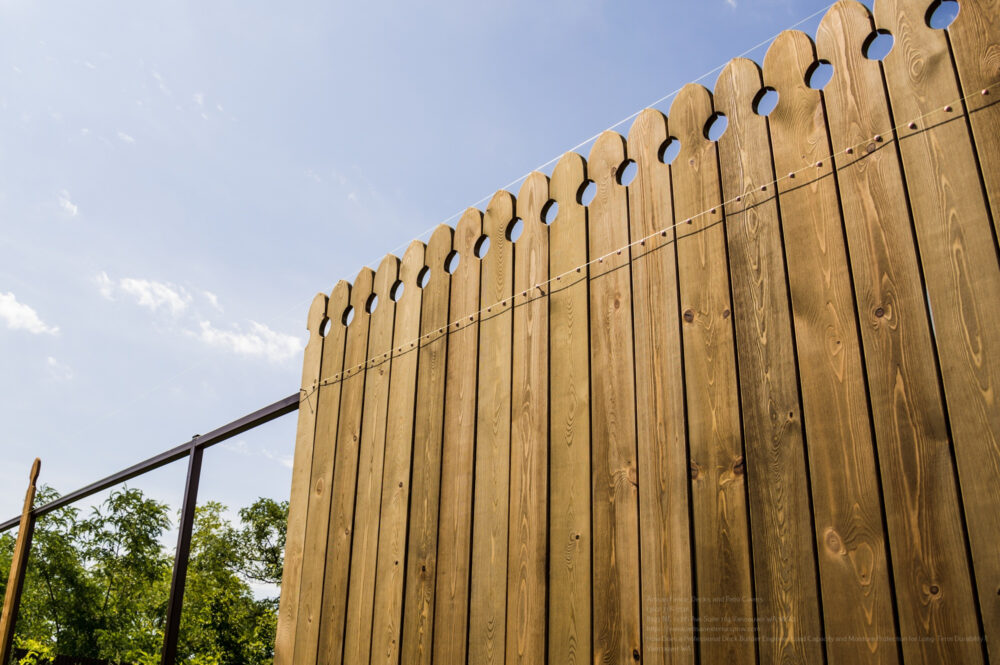
One common mistake is installing posts too shallowly. Posts that lack sufficient depth are more vulnerable to wind pressure and soil movement.
Another issue is relying solely on wood posts for tall fences. While pressure-treated wood works well in many applications, wind-heavy locations often benefit from reinforced steel post systems or galvanized steel posts for added strength.
Poor footing design is another problem. Without properly sized concrete footings, wind forces gradually loosen posts over time.
Panel spacing mistakes can also increase wind stress. Solid panels without airflow can act like wind barriers, placing excessive strain on posts.
According to the International Code Council, structural failures often occur when installation methods fail to account for environmental forces such as wind loads. Their guidelines emphasize reinforced connections and deeper foundations for outdoor structures.
Professional installers like Artisan Fence Decks & Patio Covers address these risks before construction begins.
Need Fence Installation for Your Property?
Contact Artisan Fence Decks & Patio Covers Today to Request an Estimate.
How Fence Installation in Vancouver WA Projects Reinforce Against Wind
Professional fence installation systems rely on structural reinforcement techniques specifically designed to resist wind pressure.
Deep post installation is one of the most important factors. Posts are embedded deeper into the ground to improve leverage resistance and structural stability.
Reinforced concrete footings distribute load pressure across a wider area of soil. This prevents posts from shifting during strong winds.
For larger or taller fences, contractors often install steel fencing posts or galvanized steel supports. These materials resist bending far better than standard wood posts.
Fence panel design also plays a role. Semi-open styles, such as chain-link fences or designs with small gaps, allow air to pass through the structure, reducing pressure.
Materials such as vinyl, ornamental aluminum, or ornamental steel fencing can also improve wind performance when installed correctly.
Best Practices Fence Contractors Use to Resist High Winds
Professional fence builders follow a systematic process to ensure structural durability during storms.
- Install deeper posts anchored in reinforced concrete footings to stabilize the structure.
- Use galvanized steel posts or reinforced wood posts, depending on fence height and wind exposure.
- Select fence materials and panel styles that reduce wind resistance while maintaining privacy and security.
These reinforcement techniques help maintain stability, whether the project involves residential wood fences, chain link fence systems, or industrial fencing for commercial properties.
Proper reinforcement also ensures gates remain aligned and functional, especially when heavy custom gate work or reinforced gate latches are installed.
Expert Insight: Choosing Materials that Perform in Windy Conditions
Different fence materials respond differently to wind pressure. A wood fence with solid panels offers privacy but requires stronger structural reinforcement.
Meanwhile, chain link and chain link fences allow airflow through the mesh, reducing wind pressure and making them excellent choices for wind-prone areas.
Decorative fencing options such as wrought iron, ornamental steel, or ornamental aluminum also perform well because their open designs allow wind to pass through.
In one recent project serving the Greater Vancouver Area, Artisan Fence Decks & Patio Covers reinforced a tall privacy fence with steel posts and wider concrete footings. The design preserved privacy while ensuring structural stability during winter storms.
Because the company is a locally-owned business with strong community involvement and many positive Google Reviews, homeowners across Vancouver WA trust their team for durable fence solutions.
Key Takeaways for Wind-Resistant Fence Construction
Wind-resistant fence installation requires more than durable materials. It demands careful structural planning.
Proper post depth, reinforced concrete foundations, and airflow-friendly panel designs all contribute to stronger fences that withstand storm pressure.
Professional installation also improves customer satisfaction, reduces repair costs, and ensures fences maintain their appearance for years.
For homeowners across Vancouver Washington, these reinforcement techniques are a core part of successful fence installation in Vancouver WA.
Why Choosing Artisan Fence Decks & Patio Covers is the Smart Choice
We at Artisan Fence Decks & Patio Covers provide the best solutions to our customers by designing fences that withstand real environmental conditions. Our team carefully evaluates wind exposure, soil stability, and structural reinforcement before beginning any installation.
We showcase our excellent services through custom designs, durable materials, and professional craftsmanship that protect your outdoor living space. From wood fences and chain-link systems to ornamental steel fencing and custom gate solutions, our focus is always on long-term durability.
If you’re planning a new fence, our team offers design consultation services, detailed project planning, and a workmanship guarantee you can trust. Contact Artisan Fence Decks & Patio Covers today and experience the difference expert craftsmanship makes. Your property deserves lasting protection through professional fence installation in Vancouver WA.
Need Fence Installation for Your Property?
Contact Artisan Fence Decks & Patio Covers Today to Request an Estimate.